
US-M SUPER ALBATROSS
Next Generation Multi-Mission Amphibious Aircraft
US-M SUPER ALBATROSS
Next Generation Multi-Mission Amphibious Aircraft
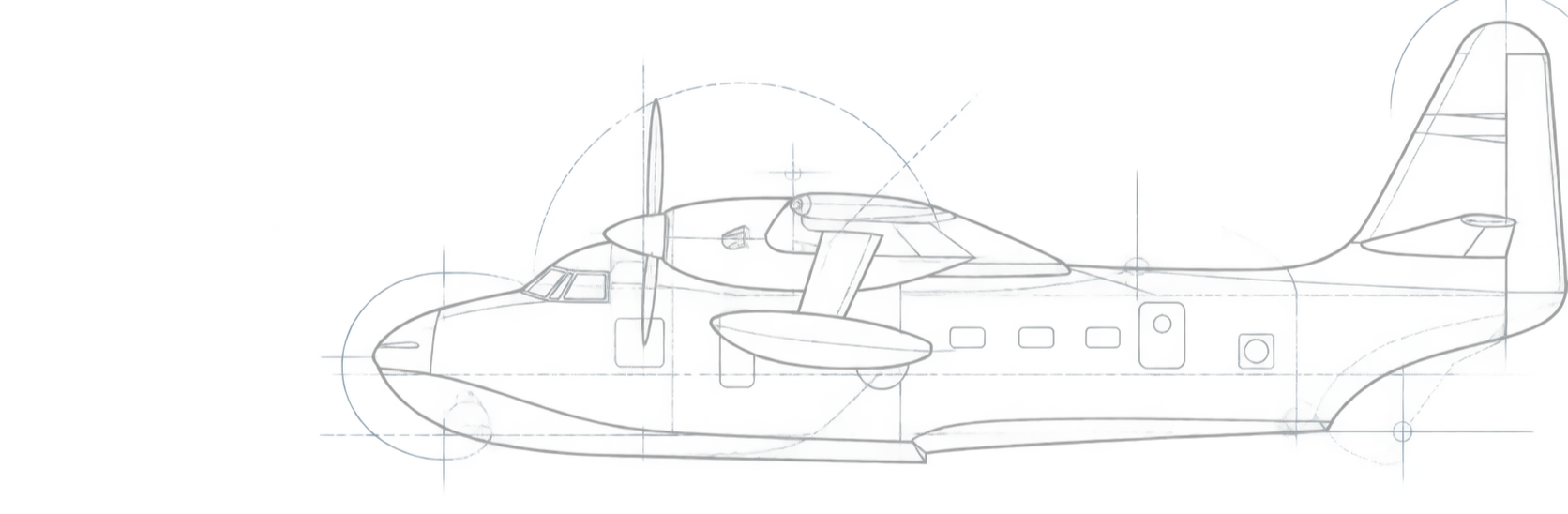
Engineered for Total Terrain Dominance
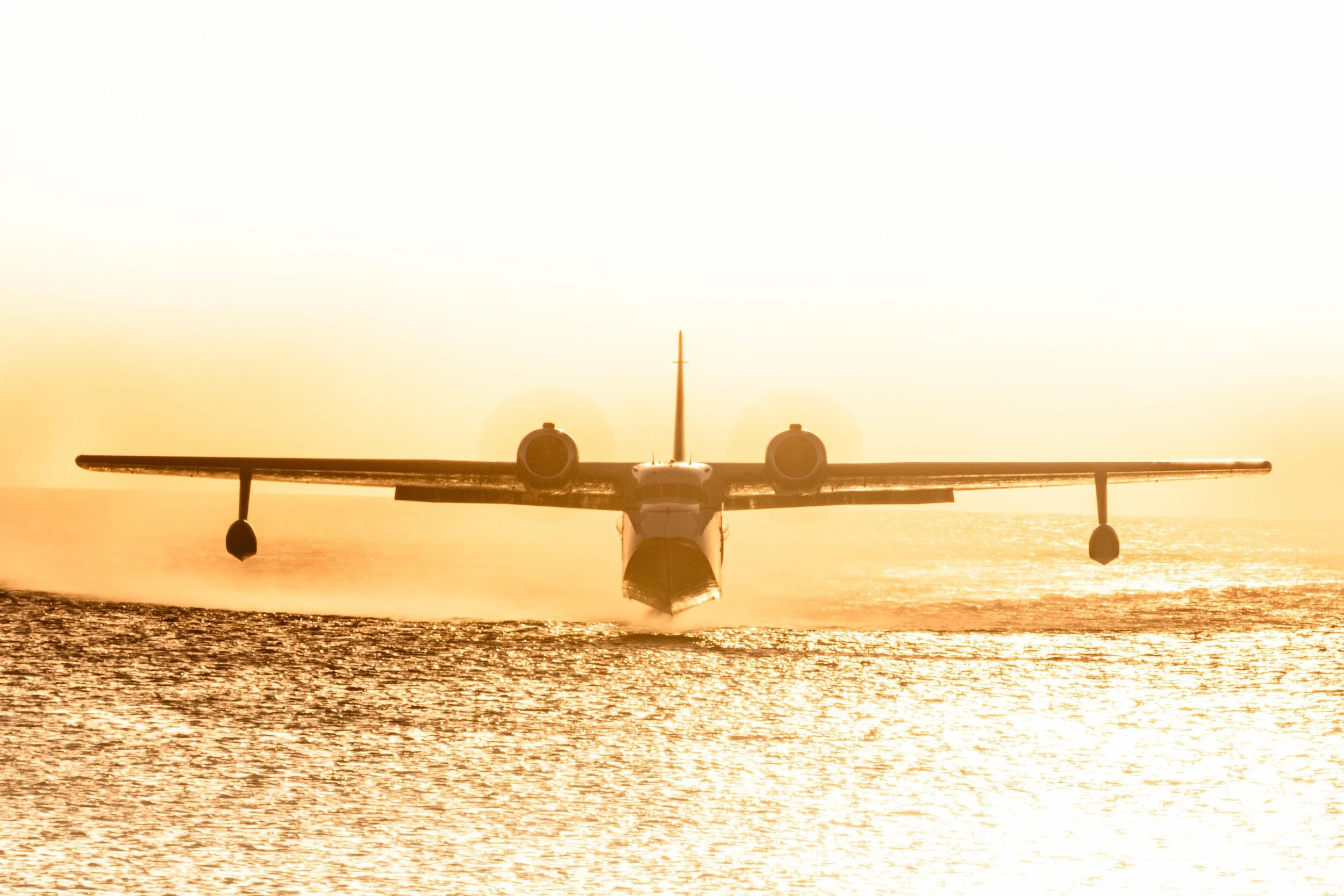
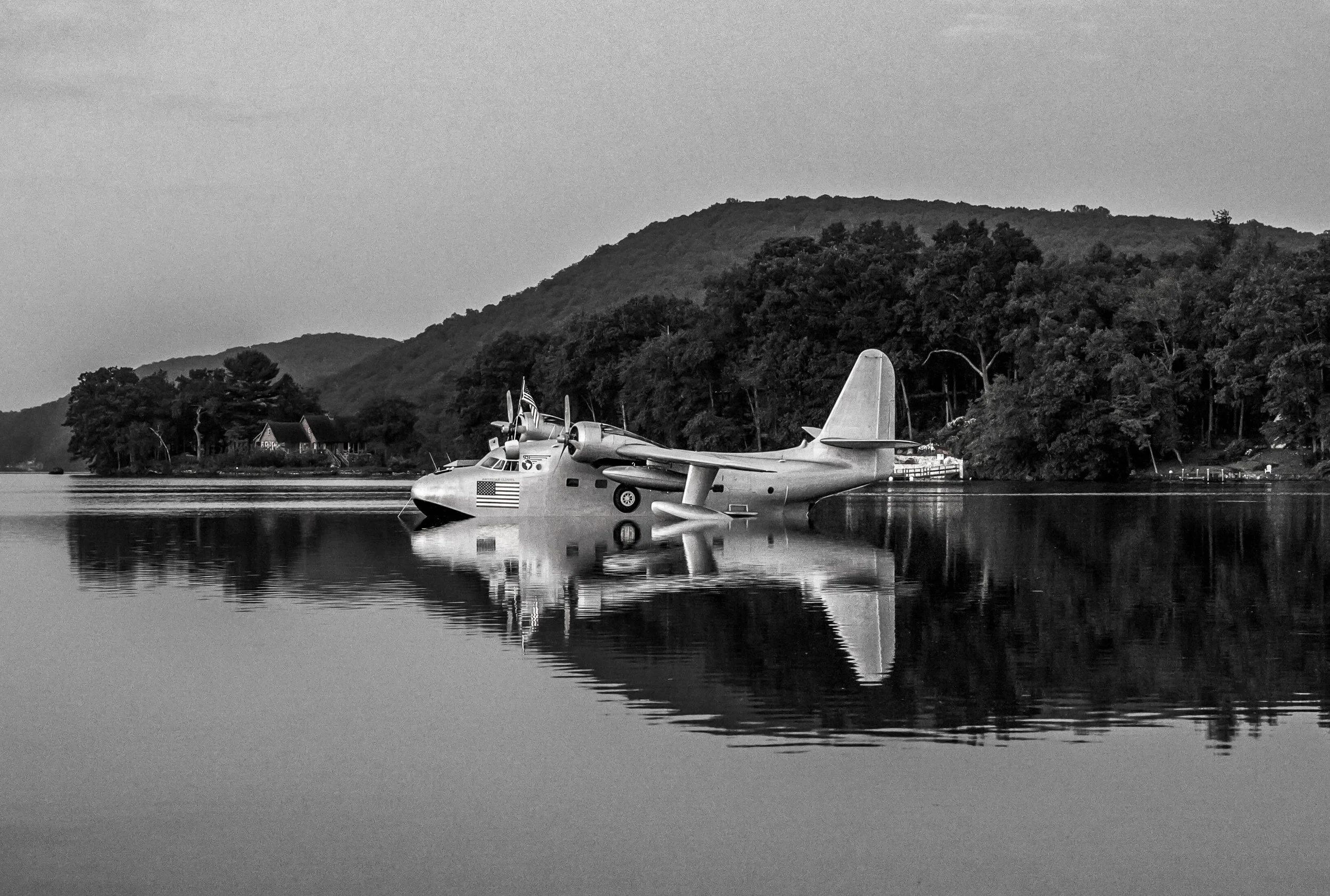
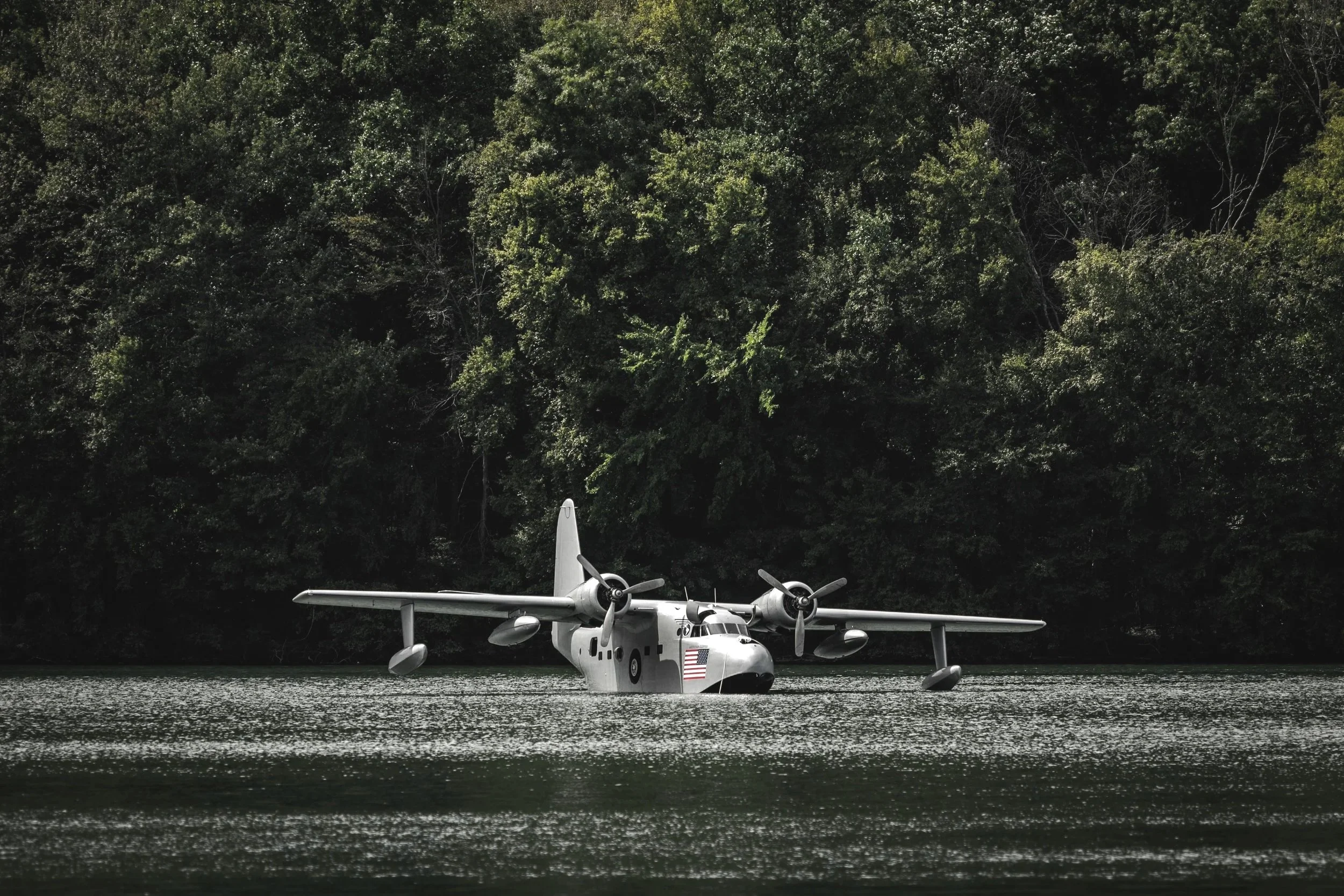
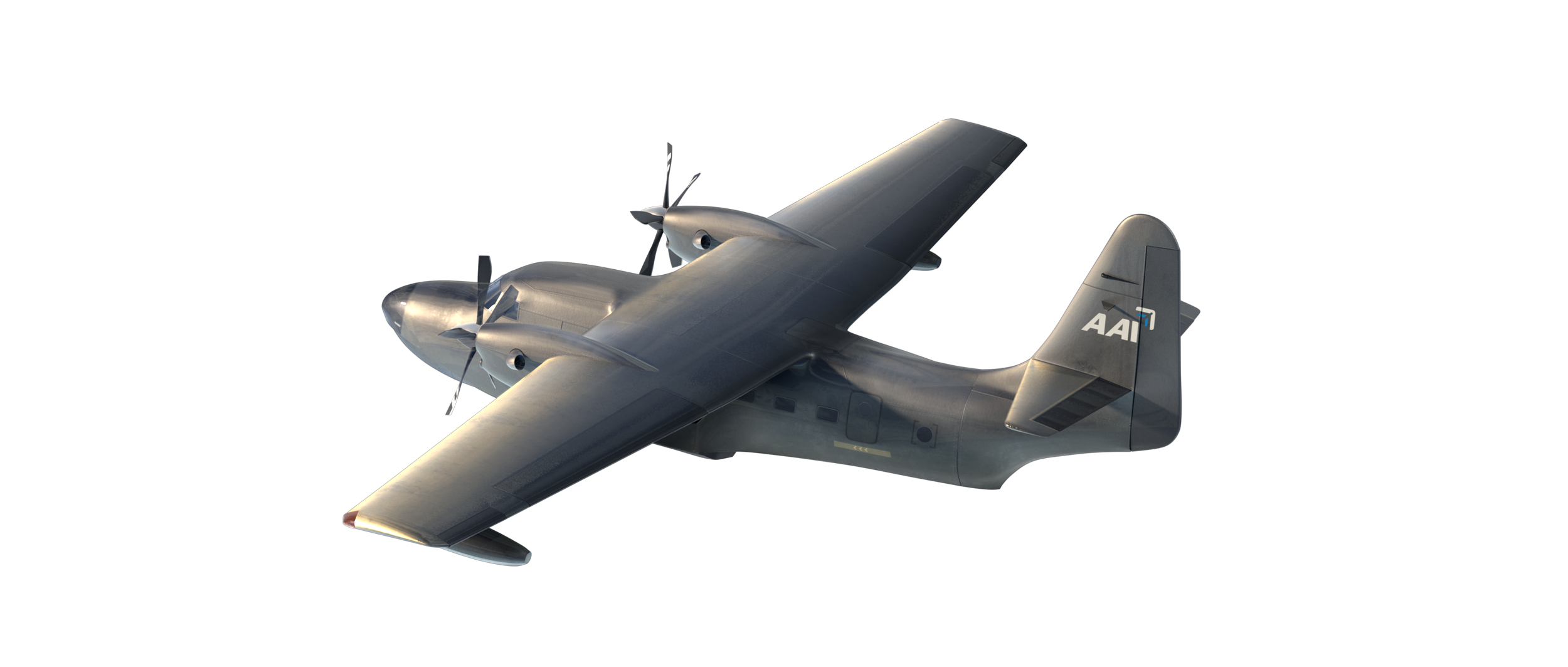
The US-M Super Albatross is a next-generation amphibious aircraft under development for modern military and maritime operations across land, sea and snow.
Built on the G-111 Albatross foundation
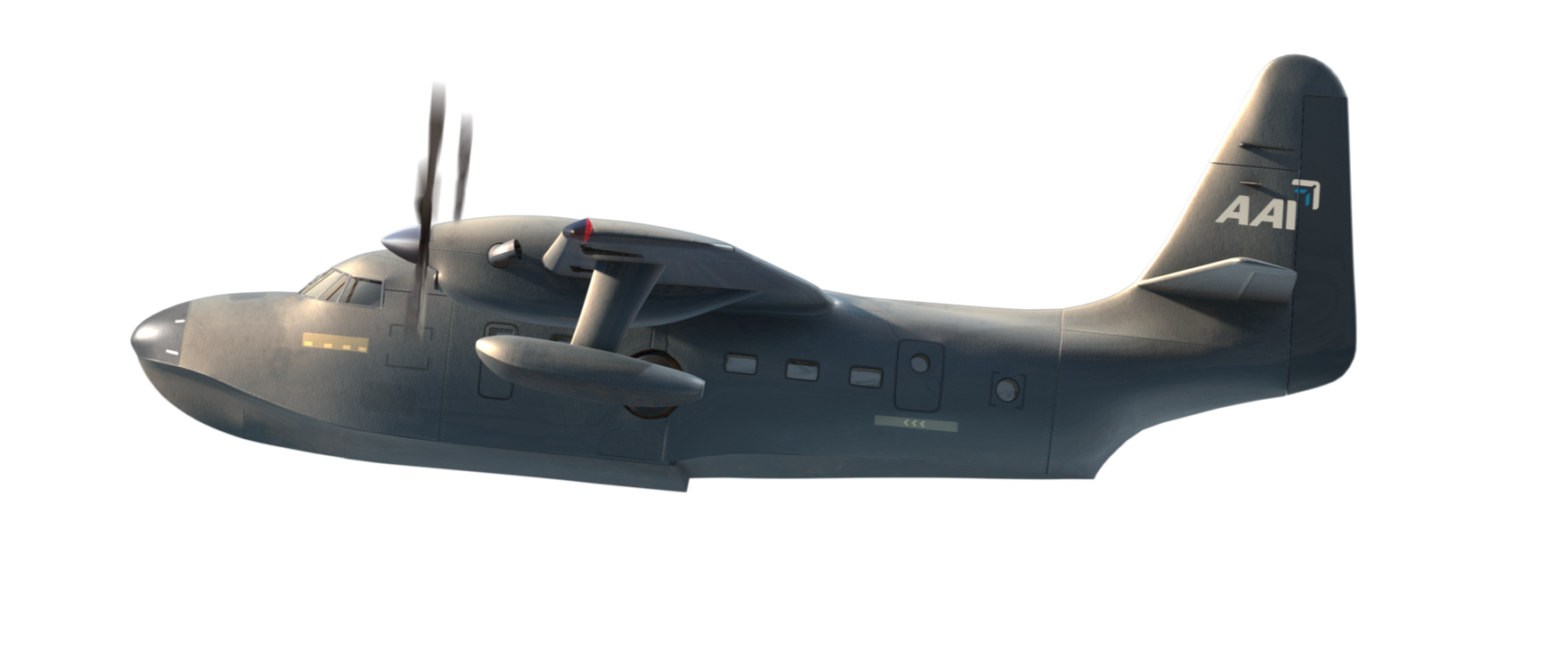
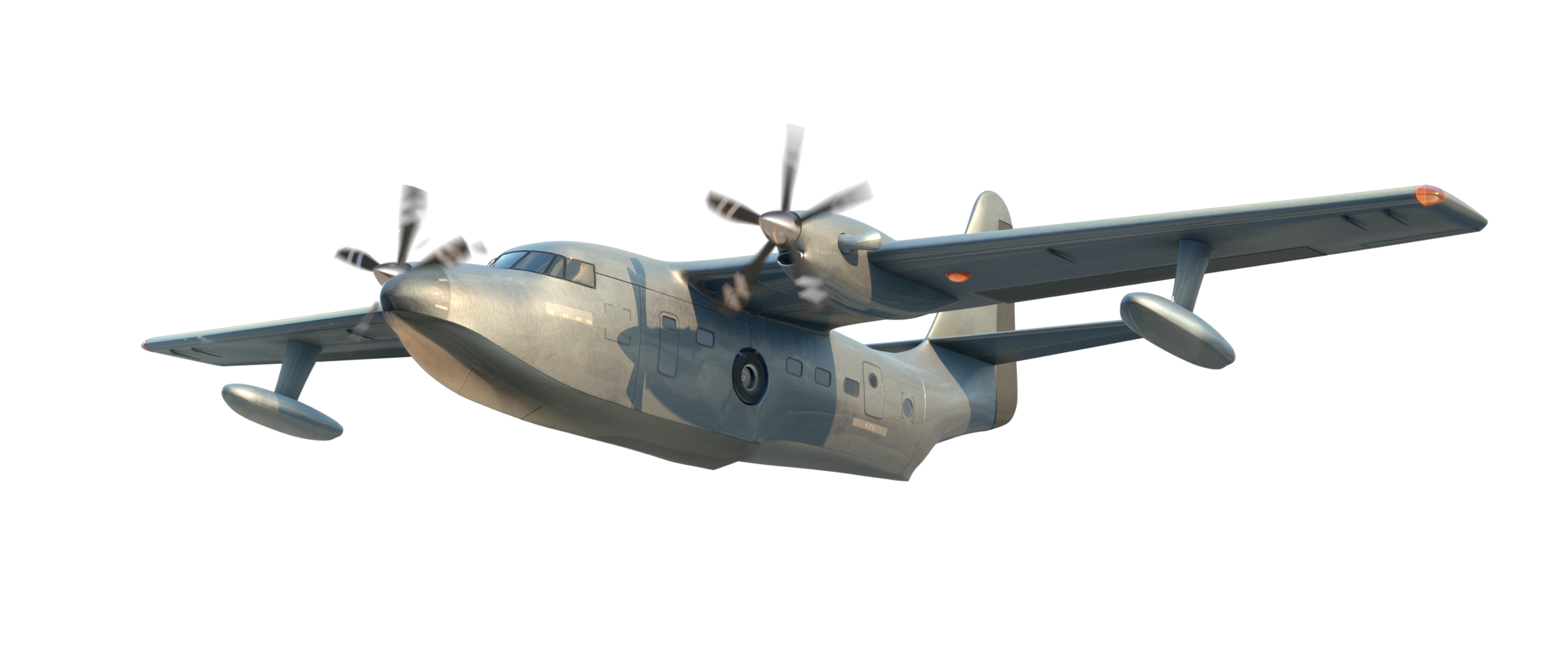
The G-111 Albatross is an FAA type-certificated transport-category aircraft under 14 CFR Part 25. AAI Defense is developing the US-M Super Albatross from this established design, with planned upgrades that include counter-rotating turboprop engines, a modern flight deck, enhanced safety features and updated cabin amenities.
Mission Ready, Anywhere.
Mission Ready, Anywhere.
One aircraft. Multiple operational domains.
Purpose-built for mission profiles ranging from intelligence, surveillance and reconnaissance to search and rescue, aeromedical evacuation, logistics and special operations, the US-M Super Albatross is designed to extend force reach beyond conventional runway infrastructure.
One aircraft. Multiple operational domains.
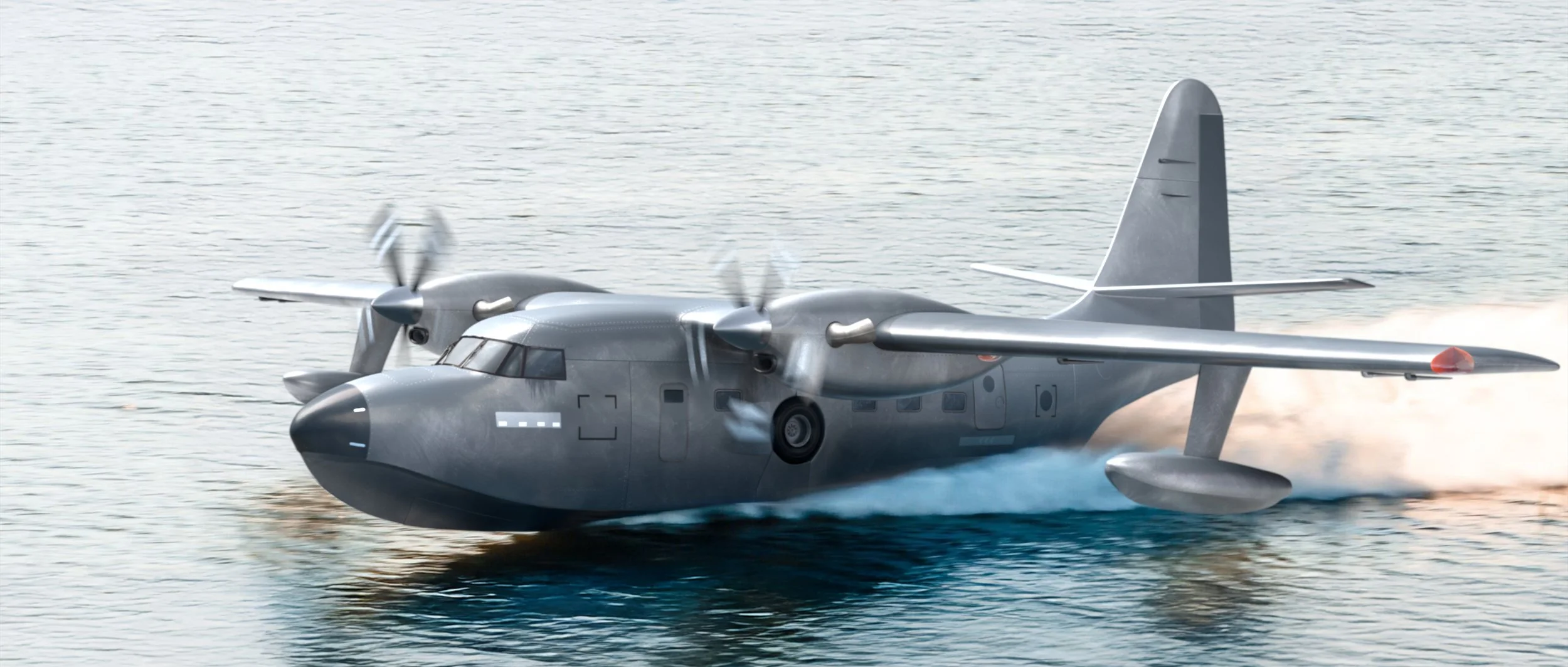

71 % of Earth is water.
Most aircraft still need a runway.
Conventional tactical aircraft remain dependent on airfields, runways and secure operating zones. In infrastructure-denied environments, that dependency can delay response, narrow force options and place missions farther from the point of need.
Operating Environments.
Operating Environments.
Access across environments where infrastructure is limited or unavailable.
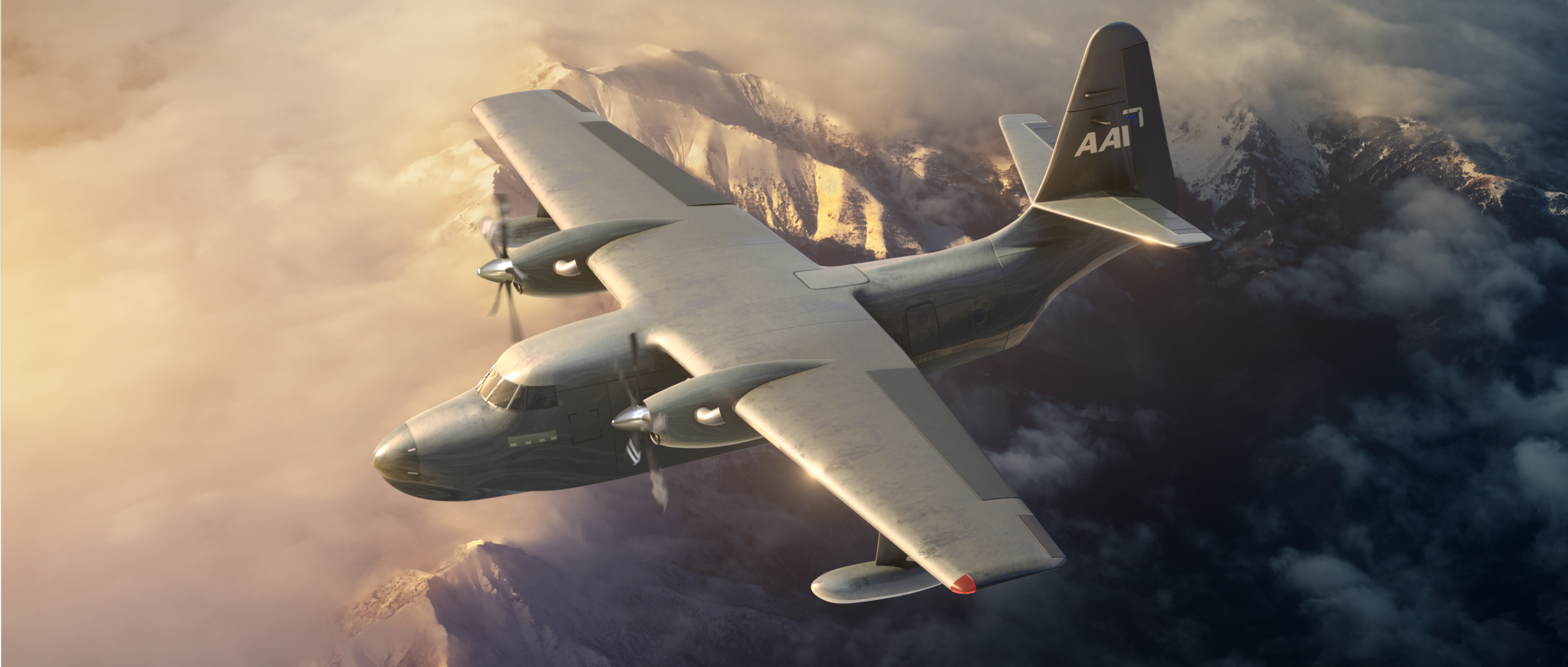
Access across environments where infrastructure is limited or unavailable.
-
Direct access across dispersed maritime territories without exclusive reliance on established airports. Amphibious capability is designed to support personnel movement, island resupply, maritime surveillance, search and rescue, and medical evacuation. It is planned to enable forces to operate closer to remote island communities and mission areas while reducing dependence on fixed infrastructure.
-
Operate closer to coastlines, maritime activity, ports, and littoral mission areas. The ability to transition between land and water can support maritime patrol, surveillance, logistics, casualty evacuation, and special operations support. This flexibility can shorten response times and extend operational reach beyond the coverage of conventional airfields.
-
Use suitable lakes, rivers, and inland waterways as alternative operating surfaces. This is designed to provide access to remote areas where terrain, distance, or limited infrastructure restrict conventional aviation. Potential applications include personnel transport, cargo delivery, medical evacuation, disaster response, border surveillance, and support for isolated communities.
-
Extend access into remote, cold-weather, and infrastructure-limited environments. Amphibious and ski-equipped configurations can support logistics, surveillance, personnel movement, and emergency response across snow-covered terrain and suitable waterways. This capability is particularly relevant where severe weather and long distances limit access by road, sea, or conventional aircraft.
-
Maintain mobility when roads, bridges, ports, and runways are damaged, flooded, or unavailable. The aircraft can support evacuation, medical response, relief delivery, reconnaissance, and the movement of emergency personnel and essential supplies. Its ability to access both land and water is planned to create additional operational options during rapidly changing humanitarian emergencies.
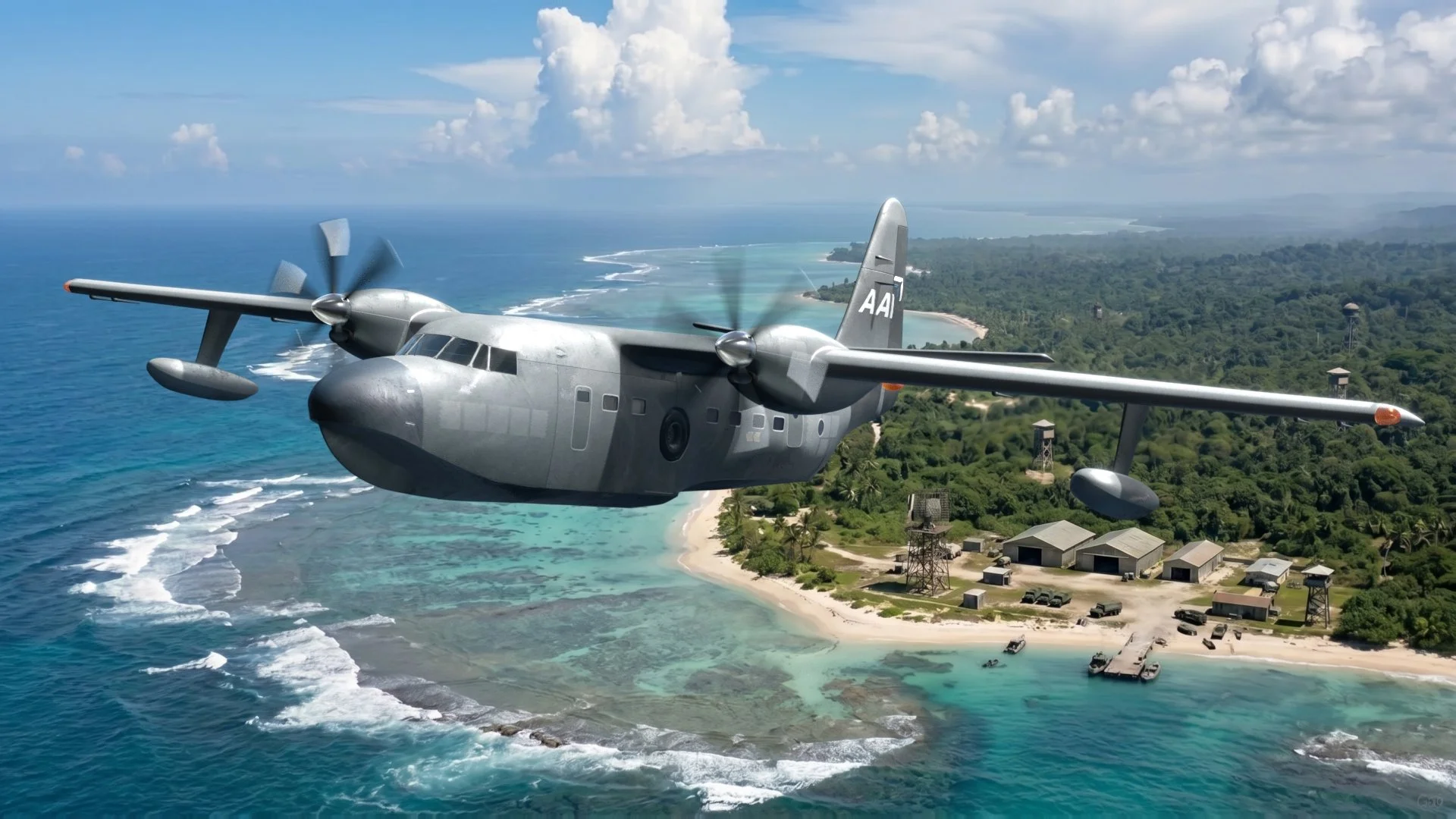
Maximized mission readiness.
Reduced operational burden.
Maximized mission readiness.
Reduced operational burden.

MULTI-MISSION FLEXIBILITY
Rapid reconfiguration between patrol, cargo, SAR, aeromedical and special-mission roles.

MULTI-MISSION FLEXIBILITY
Rapid reconfiguration between patrol, cargo, SAR, aeromedical and special-mission roles.
OPERATIONAL EFFICIENCY
Faster turnaround in harsh environments and reduced dependence on multiple aircraft types.
OPERATIONAL EFFICIENCY
Faster turnaround in harsh environments and reduced dependence on multiple aircraft types.

BUILT-IN SURVIVABILITY
Modern systems can be configured to protect crew, payload and platform.

BUILT-IN SURVIVABILITY
Modern systems can be configured to protect crew, payload and platform.
INFRASTRUCTURE INDEPENDENCE
Amphibious operations from land, sea, snow or degraded terrain.
INFRASTRUCTURE INDEPENDENCE
Amphibious operations from land, sea, snow or degraded terrain.
Trusted by generations. Upgraded for the next.
Legacy HU-16 &
G-111 Heritage.
Legacy HU-16 & G-111 Heritage.
Legacy HU-16 & G-111 heritage. Designed for modern missions.
464
AIRCRAFT DEPLOYED
22
COUNTRIES
40+
YEARS OF OPERATIONAL SERVICE
The US-M Super Albatross is designed to evolve the legacy HU-16 and G-111 platform through modern engineering, propulsion, avionics and mission systems. Its lineage spans more than four decades of operations across maritime, coastal and austere environments.

US-M Super
Albatross


2,200 NM
4075 km
at full Load
12 HRS

2,200 NM
4075 km
185 Knots
343 KM/H
30
in Military Sling Seating
185 Knots
343 KM/H
30
in Military Sling Seating
*Figures are preliminary estimates for the configuration described and are subject to change.
They are not guarantees. Actual performance depends on configuration, loading and operating conditions. See Legal Notices.
One Aircraft. Many Missions.
One Aircraft. Many Missions.

ANTI-SUBMARINE WARFARE
Maritime surveillance, detection and subsurface reconnaissance

SEARCH AND RESCUE
Extended maritime reach with direct water access
ANTI-SUBMARINE WARFARE
Maritime surveillance, detection and subsurface reconnaissance

AEROMEDICAL
Casualty evacuation and in-flight treatment capability.
SEARCH AND RESCUE
Extended maritime reach with direct water access

CARGO AND LOGISTICS
Ship-to-shore, island and austere resupply.
AEROMEDICAL
Casualty evacuation and in-flight treatment capability.

SPECIAL OPERATIONS
Advanced surveillance, mission computing and remote-area support
CARGO AND LOGISTICS
Ship-to-shore, island and austere resupply.

HADR
Evacuation from flooded or isolated areas, operations independent of airstrips and ports
HADR
Evacuation from flooded or isolated areas, operations independent of airstrips and ports
SPECIAL OPERATIONS
Advanced surveillance, mission computing and remote-area support

Integrated Subsystem Architecture
Integrated Subsystem Architecture
Established subsystem platforms with global serviceability networks are planned to simplify logistics and supportability.
-
Garmin Integrated System
-
Leonardo Weather and Tactical Radar
-
Twin Turboprop Engines
-
Hartzell, Multi-Blade, Corrosion-Resistant
-
Galley, Lavatory, Quick-change Seating
-
Retractable Amphibious Gear for Land-Water Transition